Evaluating Surgical Options: SMAS vs Deep Plane Facelifts


Facelift techniques have evolved somewhat over the past decade, giving individuals more sophisticated, long-lasting, and normal results. Among the most mentioned practices will be the deep plane facelift and the SMAS facelift. Understanding their variations can help individuals produce knowledgeable choices, ensuring their visual objectives align with the correct precise approach. is deep plane facelift worth it vs smas methods each goal different levels of facial tissue, influencing equally outcomes and recovery.
What is a SMAS facelift?
The SMAS (Superficial Musculo-Aponeurotic System) facelift targets lifting and securing the coating of muscle and muscle just underneath the skin. This process addresses loose in the mid-face, jawline, and throat, giving obvious improvements in facial contour. Reports indicate that SMAS facelifts have a higher patient pleasure rate, with over 85% of people revealing substantial restoration in the first year post-procedure.

How does a strong plane facelift differ?
A strong plane facelift elevates the SMAS coating and the greater facial areas together. By rethinking these tissues, the deep plane approach achieves an even more natural, long-lasting result, particularly in parts like the nasolabial creases and cheeks. Study shows that deep plane facelifts keep their cosmetic improvements longer than standard SMAS methods, with several patients enjoying effects beyond a decade.
Which strategy offers longer-lasting benefits?
Statistically, deep plane facelifts tend to offer superior longevity. A study evaluating facelift outcomes discovered that 10 years post-surgery, patients who underwent a deep plane facelift retained 70% of these preliminary development, while SMAS patients kept about 55%. These figures spotlight the deep plane method's advantage in sustaining facial structure over time.
What about recovery occasions?
Recovery varies between procedures. SMAS facelifts typically require shorter surgery times and slightly faster healing, with most individuals resuming standard activities within two to three weeks. deep plane facelifts tend to be more intensive, frequently requesting 4 to 6 days for complete recovery. Swelling and bruising may also be more pronounced initially, but long-term results often warrant the short-term inconvenience.
Is there variations in surgical risks?
Both procedures are secure when performed by an experienced surgeon. Complication costs are reduced, with studies confirming slight dilemmas such as for example short-term numbness, bruising, or delicate asymmetry in under 5% of cases. Choosing a board-certified doctor with knowledge in advanced facial techniques somewhat reduces risks for both approaches.
Which method is way better for unique age groups?
SMAS facelifts are often suggested for individuals inside their 40s to early 50s with reasonable facial sagging. deep plane facelifts are usually suggested for patients with increased substantial ageing changes, especially those in their late 50s and older, since the technique offers a greater structural carry and longer-lasting results.
How can fees assess?
deep plane facelifts are usually higher priced due to the difficulty of the task and longer operative time. SMAS facelifts might provide a more cost-effective option for these seeking reasonable rejuvenation without intensive tissue repositioning. Insurance rarely covers both method as they are considered cosmetic.
What benefits can people logically expect?
Both methods increase facial contours, lower sagging, and improve a vibrant appearance. deep plane facelifts give more dramatic mid-face and cheek restoration, while SMAS facelifts effortlessly tighten the jawline and neck. Individuals usually notice a rested but normal search, steering clear of the “overdone” appearance associated with dated facelift methods.
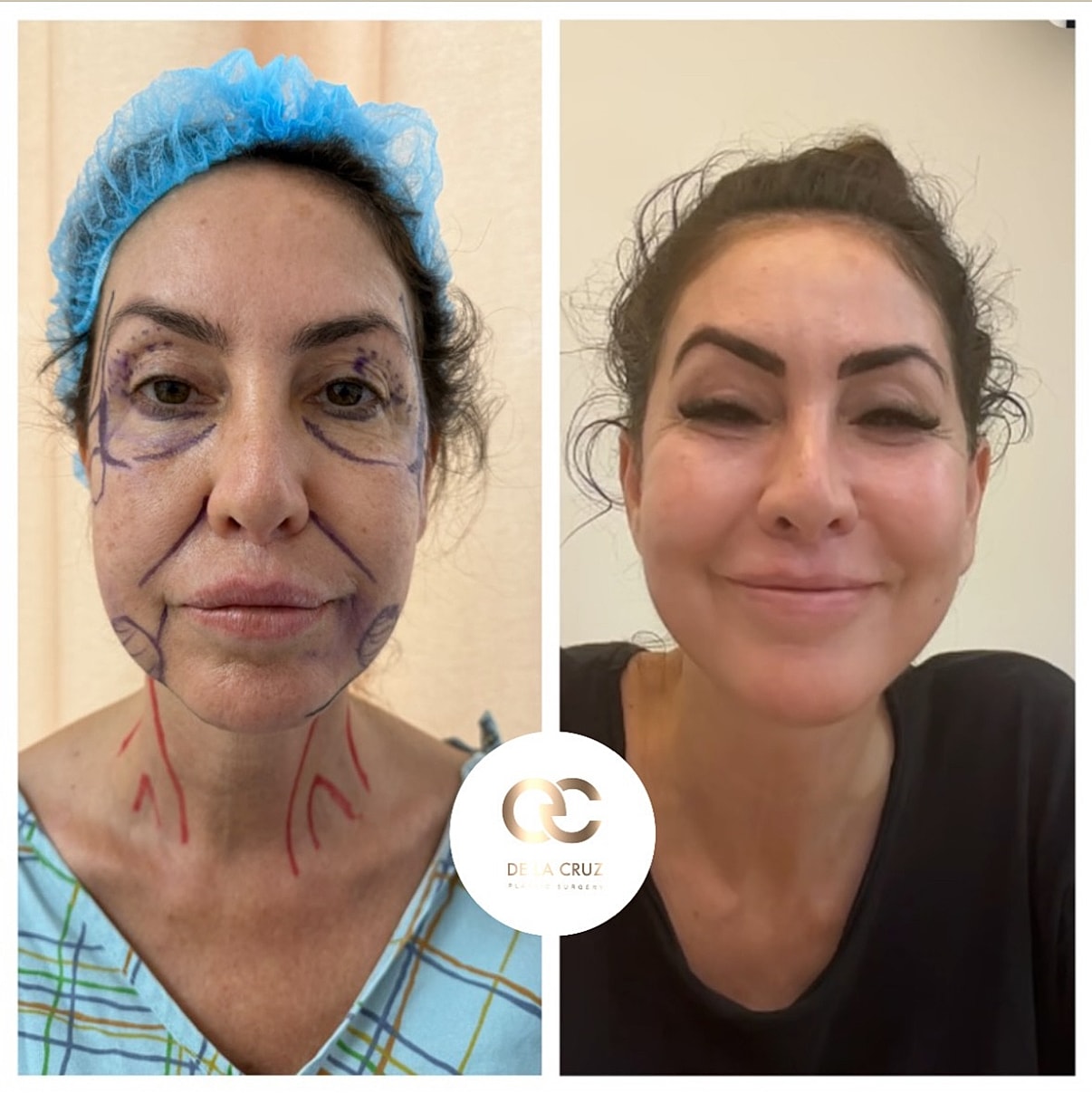
Just how do surgeons choose the right method?
Surgeons evaluate skin strength, facial structure, and ageing habits to find out the very best approach. A thorough consultation frequently requires 3D imaging or photographic analysis to anticipate outcomes. Personalized preparing assures the picked approach addresses the patient's distinctive problems while maximizing endurance and cosmetic results.
What's underneath point for patients considering a facelift?
Eventually, the choice between deep plane and SMAS facelifts depends on preferred outcomes, age, muscle laxity, and healing tolerance. Statistical data constantly show both procedures are secure and effective, with deep plane facelifts giving longer-lasting effects for people that have advanced aging, while SMAS facelifts give trusted improvements for earlier in the day signs of facial sagging.